Certification Standards in Sweden and Their Role in Shaping Mobile Reward Access for Local Players
Skriven av Jakob Roth · 2026-10-21
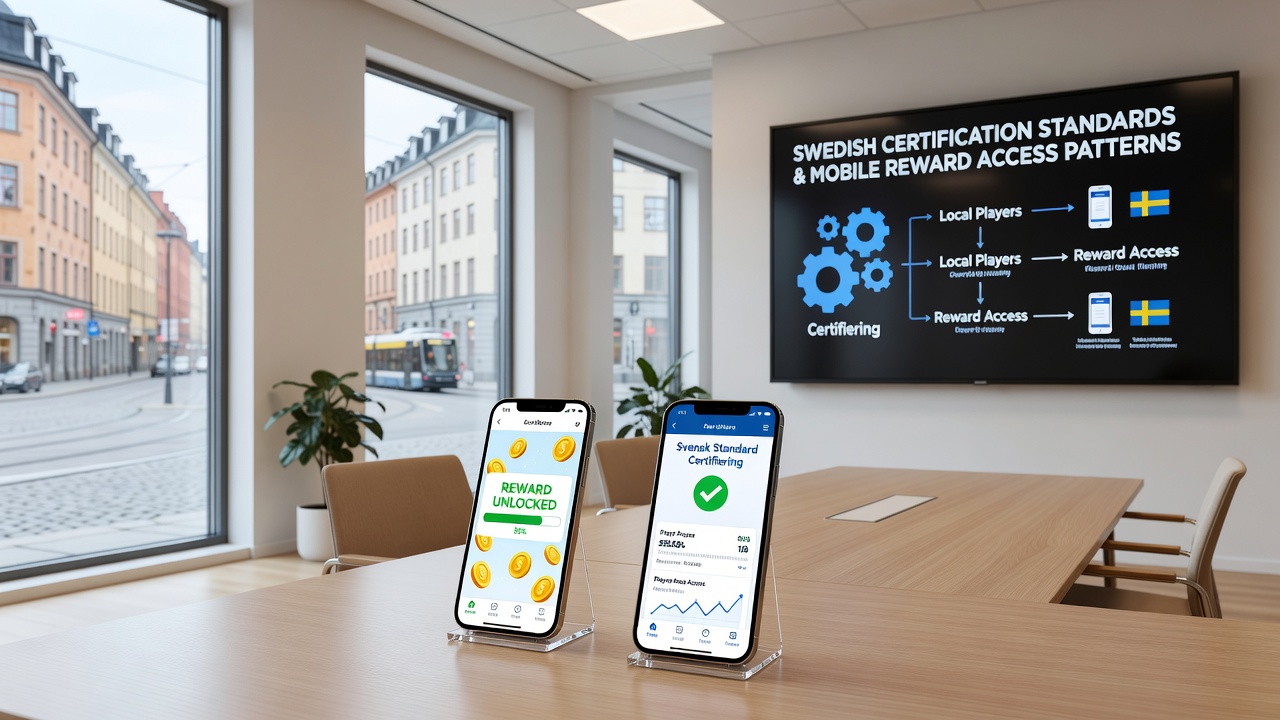
Certification Standards in Sweden and Their Role in Shaping Mobile Reward Access for Local Players
Swedish certification standards have evolved through regulatory updates that require operators to maintain strict verification protocols before players can access mobile rewards, and these requirements directly affect how local users navigate bonus systems on smartphones and tablets. Data from licensing bodies shows that certified platforms must integrate real-time identity checks which in turn influence the timing and frequency of reward redemptions among Swedish residents.
Core Elements of Swedish Certification Processes
Certification under Swedish rules demands compliance with technical specifications for mobile platforms, including encrypted data transmission and age verification modules that activate before any reward can be claimed, while operators must also demonstrate ongoing monitoring capabilities that track user behavior across sessions. These standards emerged from legislative frameworks that prioritize consumer protection, and they compel providers to align their apps with national security benchmarks before rewards become available.
Operators seeking certification submit detailed documentation that covers everything from server infrastructure to user interface design, and approval hinges on successful audits that verify mobile reward pathways do not bypass established safeguards. Figures from regulatory reports indicate that certified entities experience higher retention rates because players trust the verified systems, yet access patterns shift as users adapt to the required steps such as two-factor authentication during mobile sessions.
Impact on Player Behavior and Access Frequency
Local players often encounter streamlined reward access once certification is confirmed, although initial setup involves multiple verification layers that can extend the time between registration and first bonus activation on mobile devices. Research indicates that these layers correlate with reduced impulsive redemptions, and patterns show increased engagement during evening hours when users complete verifications at home rather than on the move.

By October 2026, updated certification guidelines introduced enhanced biometric options for mobile verification, and this change prompted noticeable shifts in access patterns as more users opted for fingerprint or facial recognition over traditional passwords. Observers note that such adaptations have streamlined reward claims for repeat players while maintaining the integrity checks required by law.
Comparative Data Across Certified and Non-Certified Platforms
Studies comparing certified Swedish platforms against international operators reveal distinct differences in mobile reward utilization, with certified sites showing steadier access rates tied to mandatory compliance features, whereas non-certified alternatives often face restrictions that limit reward availability for Swedish IP addresses. According to findings published by the European Gaming and Betting Association, certification correlates with higher compliance scores and more predictable redemption behaviors among domestic users.
Patterns also indicate that mobile reward access on certified platforms tends to cluster around promotional periods announced through official channels, and players demonstrate greater willingness to complete verification steps when rewards are tied to licensed operators. Data shows seasonal variations, including spikes during holiday periods, yet overall frequency remains anchored to the verification timelines enforced by certification standards.
Future Developments and Ongoing Adjustments
Regulatory bodies continue to refine certification criteria in response to technological advances in mobile security, and these refinements are expected to further standardize reward access methods across devices used by Swedish players. Reports from academic institutions such as those referenced in Australian Institute of Health and Welfare analyses highlight similar certification influences in other regulated markets, underscoring the role of standardized protocols in shaping user patterns.
Conclusion
Swedish certification standards establish clear parameters that govern mobile reward access, resulting in measurable shifts in how local players interact with bonus systems on their devices. Ongoing compliance requirements ensure that access remains secure and regulated, and data collected through these frameworks provides insights into evolving usage trends through October 2026 and beyond.