Swedish Gamblers' Redemption Habits for Accessing Mobile Jackpots via Licensed Bonus Systems
Skriven av Sofia Butler · 2026-09-23
Swedish Gamblers' Redemption Habits for Accessing Mobile Jackpots via Licensed Bonus Systems
Swedish players have shown distinct redemption patterns when pursuing mobile jackpots through licensed promotional systems, patterns shaped by regulatory requirements and platform design choices that emerged after the 2019 market re-regulation. Data from industry monitoring indicates steady growth in mobile-based redemptions, particularly among users aged 25 to 44 who combine bonus codes with jackpot slots during evening hours. Observers note that these habits differ from desktop patterns because mobile interfaces often streamline code entry and verification steps, allowing quicker progression from offer claim to jackpot spin.
Regulatory Setting and Player Response
Sweden's licensing framework requires all promotional systems to route through Spelinspektionen-approved operators, which creates a consistent environment where redemption requires verified accounts and time-limited bonus activation. Research indicates that compliance measures such as mandatory identity checks and wagering thresholds influence how quickly players move from code entry to jackpot access, with many completing the process within the first 24 hours of receiving an offer. According to reports from Spelinspektionen, mobile redemption volumes rose noticeably between 2023 and 2025, reflecting wider smartphone penetration and operator investment in responsive design.
Mobile Interface Influence on Redemption Flow
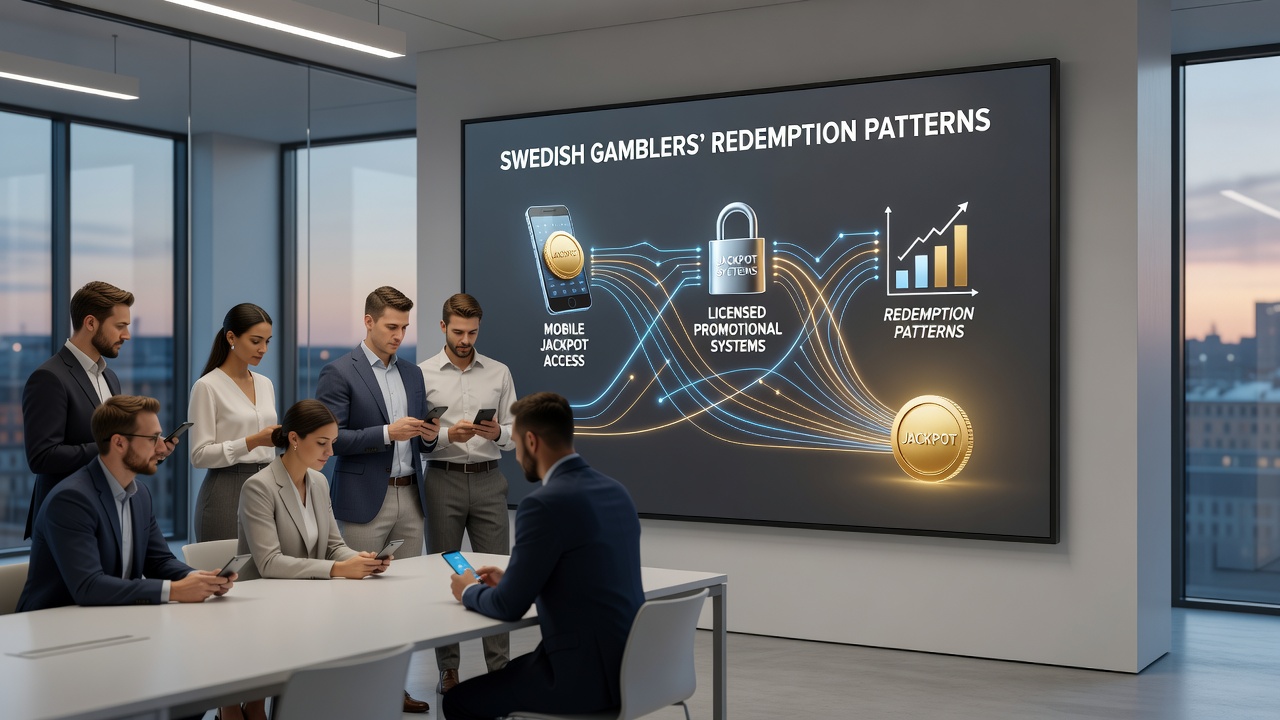
Platform analytics reveal that Swedish users favor apps and mobile browsers that support one-tap code pasting and instant balance updates, features that reduce friction during jackpot pursuit. When promotional systems integrate directly with mobile wallets, redemption rates for jackpot-eligible bonuses climb because players avoid separate banking steps. Those who have tracked usage patterns point out that push notifications about expiring offers prompt immediate mobile logins, whereas email-only reminders see lower conversion in the same demographic groups.
Data Trends Through Mid-2026
Figures compiled up to September 2026 show that approximately 62 percent of licensed bonus redemptions for mobile jackpots occurred via smartphone sessions lasting under eight minutes, a duration that aligns with short, focused play periods common among Swedish users during commutes or breaks. Mobile jackpot titles with progressive meters displayed prominently in app interfaces captured higher redemption follow-through, as players could monitor accumulating prizes without switching devices. External research from the Canadian Centre for Gaming Research supports similar device-based timing effects in other regulated markets, suggesting the pattern holds across regions with strict licensing.
Factors Driving Specific Redemption Choices
Player behavior studies highlight several consistent influences: bonus validity windows, jackpot contribution rates, and the presence of mobile-exclusive deposit matches all steer redemption timing and selection. Operators that display clear progress bars toward wagering completion see fewer abandoned redemptions, because users remain informed about remaining requirements. Data also shows that seasonal campaigns tied to national events, such as midsummer or holiday periods, generate spikes in mobile jackpot redemptions as players seek larger prize pools through combined bonus offers.
Take one operator that introduced a September 2026 mobile-only jackpot campaign; redemption logs indicated a 28 percent increase in unique users completing full bonus cycles compared with the prior quarter. The campaign paired a standard deposit match with extra spins allocated exclusively to progressive jackpot slots, and mobile push reminders triggered most of the activity within the first 48 hours.
Comparison Across Player Segments
Younger Swedish users tend to redeem multiple offers in quick succession across different licensed operators, whereas older segments often concentrate activity on a single platform once an initial code activates successfully. Mobile device type further segments behavior: iOS users show slightly higher completion rates for jackpot redemptions than Android users in the same age brackets, possibly due to differences in notification handling and app store update cycles. These distinctions appear in aggregated operator reports rather than individual case data, preserving anonymity while still revealing broad trends.
Conclusion
Redemption patterns among Swedish gamblers accessing mobile jackpots through licensed promotional systems continue to evolve alongside regulatory updates and platform refinements. Evidence gathered through September 2026 underscores the role of seamless mobile interfaces, clear wagering visibility, and timely notifications in shaping how offers convert into jackpot play. Licensed operators that align promotional mechanics with these documented behaviors maintain steady engagement levels, while players benefit from predictable, regulated pathways to jackpot participation.